Let’s just jump right into this.
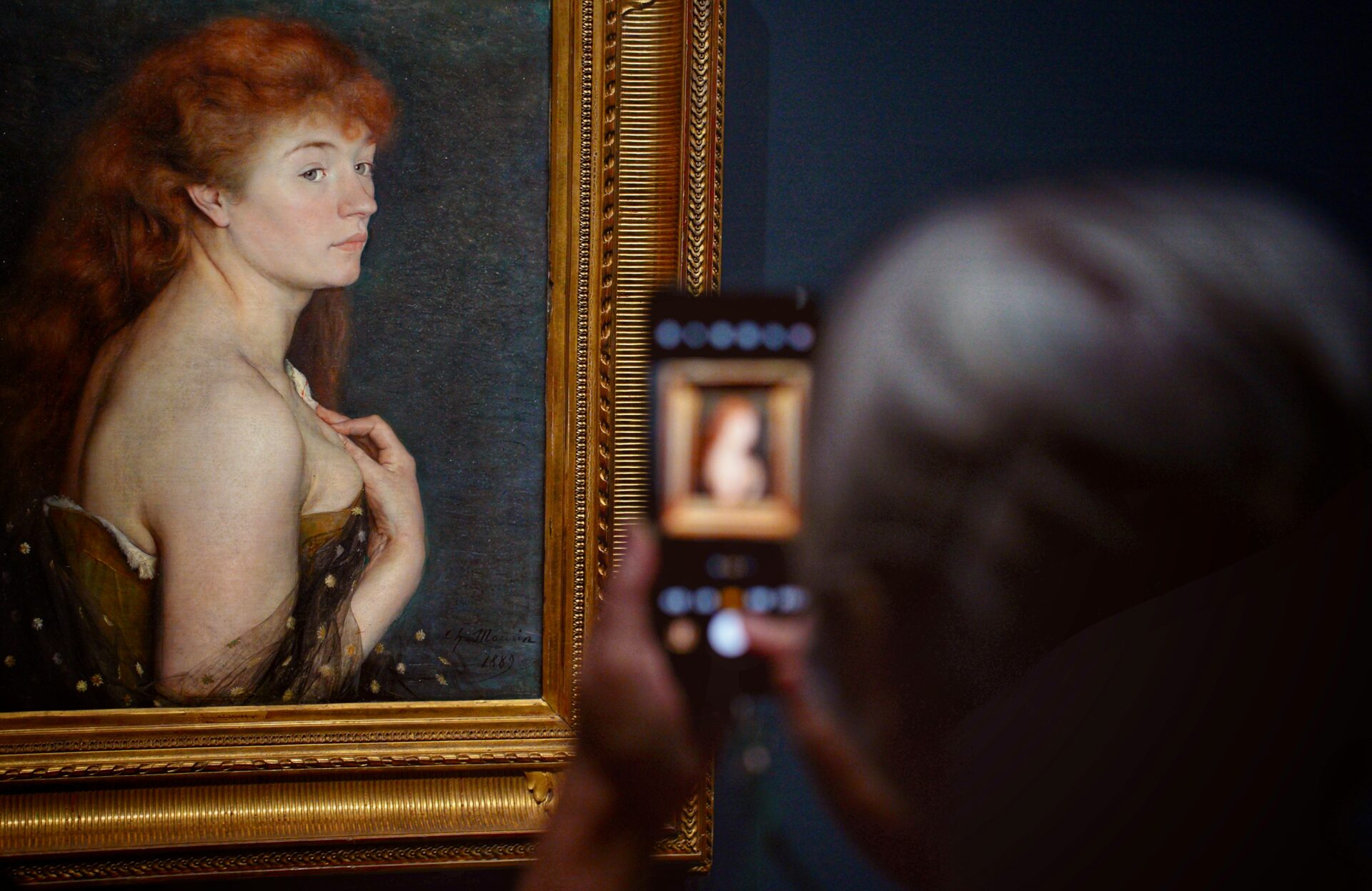
Imagine this story: A college student inherits a picture, just a framed thing that hung over her grandma’s bed for years. Sentimental value, not much else. She gets it appraised twice, and both times they say, “Eh, maybe $200, $250.” So she almost doesn’t even bother taking it to Antiques Roadshow.
I mean, why would you?
But she does. And the appraiser, a woman named Meredith Hilferty, takes one look and sees it’s not a print, it’s an actual painting. A Henry Francois Ferney from 1892.
And the value isn’t $200.
No, it’s $200,000 to $300,000.
And here’s the kicker: The painting didn’t suddenly become valuable on the show. It was always worth that much. But without someone who could recognize its value, it was functionally worthless.
That right there is the perfect parallel for so many B2B companies. It absolutely is, and that’s what we’re exploring today. We’re looking at the data that shows why this exact recognition gap is costing you so much.
The 90% Reality
It all starts with what we could call the 90% reality. Most B2B companies wait. They wait until a buyer is actively in market. Until they’re raising their hand and saying, “I’m ready to buy.”
But the research is really clear here: About 90% of those buyers have already formed a shortlist of who the credible players are before your salesperson even gets a meeting.
So if you’re not on that list from the get-go, you’ve already lost. You’re out of the game before it even starts. You’re left fighting with everyone else over that tiny 10% of undecideds.
The Fix: 46% Brand, 54% Activation
So what’s the fix?
There’s some solid data on this from Les Binet and Peter Field. They found that the optimal marketing split, the most effective one, is about 46% brand building and 54% activation.
Wait. 46% on brand? That sounds terrifying for a CMO who has to hit quarterly lead numbers. How do you even justify that?
You justify it by pointing to the outsized impact.
The Emotional Truth About B2B
And here’s the thing that trips people up: B2B buyers are actually more emotional than B2C consumers.
More? I would’ve thought it was all about logic and spreadsheets.
No, because the stakes are so much higher. A bad choice doesn’t just mean you bought the wrong cereal. It can damage your credibility, your reputation, your career.
Ah, so it’s that old saying: “Nobody ever got fired for buying IBM.”
Exactly. That’s not a rational statement. That is 100% an emotional one. It’s about feeling safe.
And the data shows emotional brand campaigns have a 12 times higher impact on profit. 12 times.
How Do You Become the Safe Choice?
Okay, so if it’s about making the buyer feel safe and recognized, how do you do that? How do you become the safe choice?
It comes down to distinctiveness. And this is where most B2B ads fail. Something like 75% of them are just ineffective because they’re not distinctive. They all look and sound the same. They do.
The fix is to consistently use your distinctive assets. Think of Deloitte’s Green Dot or maybe Salesforce’s little Astro mascot. They are mental shortcuts. They make you instantly recognizable.
It’s funny because what feels so repetitive to your internal team is probably the first time a buyer is even noticing it, barely registering.
The Measurement Problem
And this all comes back to a measurement problem. Only 4% of B2B marketers are measuring brand impact beyond six months, which is crazy. You can’t measure compound interest in a 30-day window. You just can’t.
Brand is a long-term play that pays off for years.
Recognition Is Revenue
So it all comes back to recognition. The value you build is one thing, but the revenue you earn is based on what people recognize.
And the goal shouldn’t just be to get known. The real goal is to become famous in your category.
Famous. Those fame-based campaigns outperform the rational product-focused ones by a factor of 12.
Look at Salesforce versus SAP. Between 2015 and 2021, Salesforce grew four times faster. Why? They spent around 45% of their revenue on sales and marketing. SAP spent 25%. They just made themselves impossible to ignore.
That’s how you win the 90%. You have to be so present, so recognizable that you’re already on their shortlist before they even realize they’re shopping.
And that’s the challenge for you to think abou